Conferences & Exhibitions
Exhibition Stall Design: How to Plan a Stand That Works for Your Brand
A practical guide to exhibition stall design, from setting objectives and reading the organiser's rules to visitor flow, branding, fabrication and dismantling.
By NuKoncept EventsPublished 7 min read
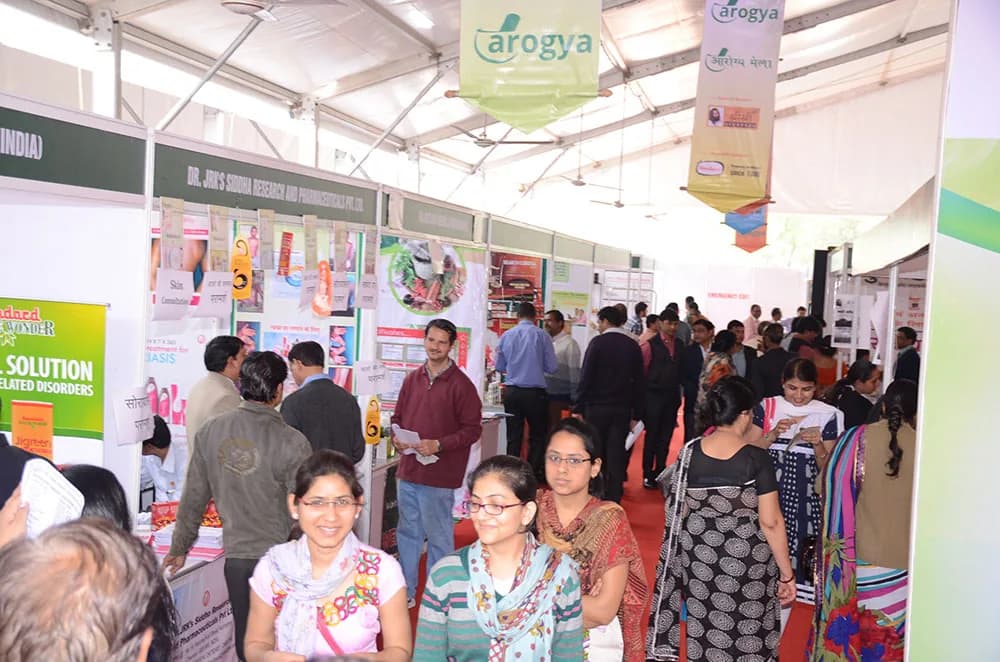
At an exhibition, your stall competes with dozens or hundreds of others in the same hall. Visitors walk past quickly and decide in a few seconds whether to stop. A good stall design is not about being the loudest. It is about being clear, easy to enter and built around what you need the stall to do.
Start with the objective
Different stalls do different jobs, and the design should follow.
- Visibility. People should know who you are and what you do. This favours a strong, simple fascia and a clear sight line from the aisle.
- Demonstration. People should see the product working. This needs space, a display area and a place for visitors to stand.
- Meetings. You want conversations with specific buyers or partners. This needs seating, privacy and a quieter zone.
- Lead collection. You want a record of interested visitors. This needs a clear process, a place to do it and staff to carry it out.
Most stalls do more than one of these, so rank them. The top priority gets the best space.
Read the organiser’s rules and measure the space
Before design begins, get the exhibitor manual. It usually sets limits that shape what you can build.
- Stall size, the number of open sides and the position in the hall
- Maximum height of structures and any restrictions near neighbouring stalls
- Flooring, carpeting and what you may fix to it
- Power: how much is provided, where sockets can be placed and what you must arrange yourself
- Fire safety, material and rigging rules
- Deadlines for design approval, power orders and passes
- Load-in, load-out and show-day timings
A design that ignores these rules may need to be changed on site, which is expensive and stressful.
Plan visitor flow
Walk the stall in your mind as a visitor. Where do they first see it? Where do they step in? Where do they go next?
Open or enclosed
An open stall invites people in and lets staff talk to visitors as they pass. A more enclosed stall can feel exclusive and suits meetings, but is harder to enter. Many stalls mix the two, with an open front and a quieter area at the back.
Zones
- An entry or welcome zone with a clear first message
- A display or demonstration zone, with enough space for a small group
- A meeting or seating zone, away from the busiest part of the aisle
- A staff and storage zone, kept out of sight
Leave room to move. A crowded stall can look busy, but visitors hesitate to enter a space that feels full.
Decide what the stall must say
Visitors will not read much. Pick one message: who you are and what you offer, in a few words. Put it where it can be read from the aisle, at a height and size that works from a distance, and make sure nothing blocks it.
- Keep the main message short and the logo clear
- Put the most important information at eye level and above, not on the floor
- Avoid crowding the fascia and back wall with too many claims
- Keep colours and fonts consistent with the brand
Product display
- Show the most important product or a demonstration first, not a wall of everything
- Put products at heights that people can see and reach
- Allow enough space around products for visitors to look without blocking the aisle
- Plan secure storage for samples, spares and stock, out of sight
- Decide which items visitors may touch, and which should be behind a barrier
Lighting
Lighting does much of the work of drawing attention. Exhibition halls are usually evenly lit, so your stall needs lighting that makes it feel distinct.
- Light the key message and the main product so they stand out from the hall lighting
- Avoid glare on glossy surfaces, screens and glass
- Check how many power points you have and where they are, since lighting needs power
- Plan for a backup if a fitting fails during the show
Graphics and materials
Graphics must be legible, correctly sized and delivered on time. Printing takes time, and proofs and revisions add to it.
- Supply artwork at the correct size and resolution
- Proof colours and text carefully before printing
- Choose materials that suit repeated use if you will exhibit at more than one show
- Check that fixing methods are allowed by the organiser
Staff area, meeting space and storage
Staff need somewhere to stand, sit and keep their belongings, away from the visitor area. Meeting spaces need seating and a surface to put things on. Storage should be reachable but hidden. These areas are easy to forget in the design, and then they eat into the display space at the last minute.
Lead capture
If collecting visitor details is a goal, decide how it will work before the show. It does not need to be elaborate. It needs to be consistent.
- Decide what information you need and keep it short
- Choose a method that all staff can use: forms, cards, a tablet or a registration list
- Place the capture point where it does not block the flow
- Train staff on what to ask, how to record it and how to follow up
No design can promise a particular number of leads or conversions. Results depend on the show, the audience, the product and how the team works the stall.
Fabrication: modular or custom
There are two broad approaches to building a stall.
- Modular systems use standard components that can be assembled in different layouts. They suit repeated use and tight budgets, but offer less design freedom.
- Custom fabrication builds the structure to your design. It gives more control over shape, materials and finish, and needs more lead time for design, approval and building.
Whichever you choose, ask for a design visual or drawing, a clear scope that includes installation and dismantling, and a schedule that works back from the show date. A trial assembly before the show is worth asking about for complex builds.
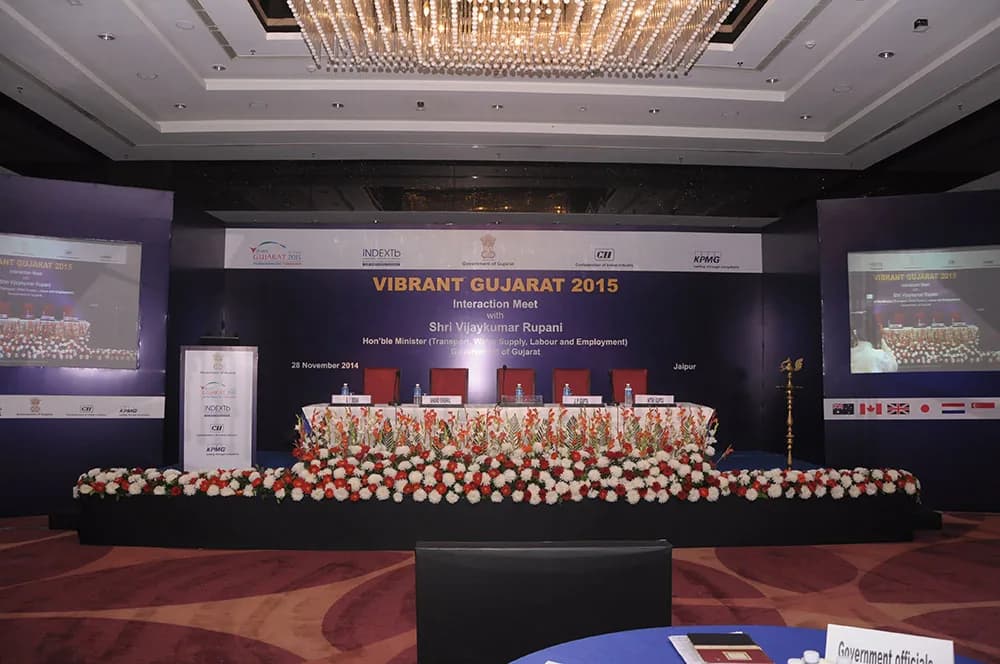
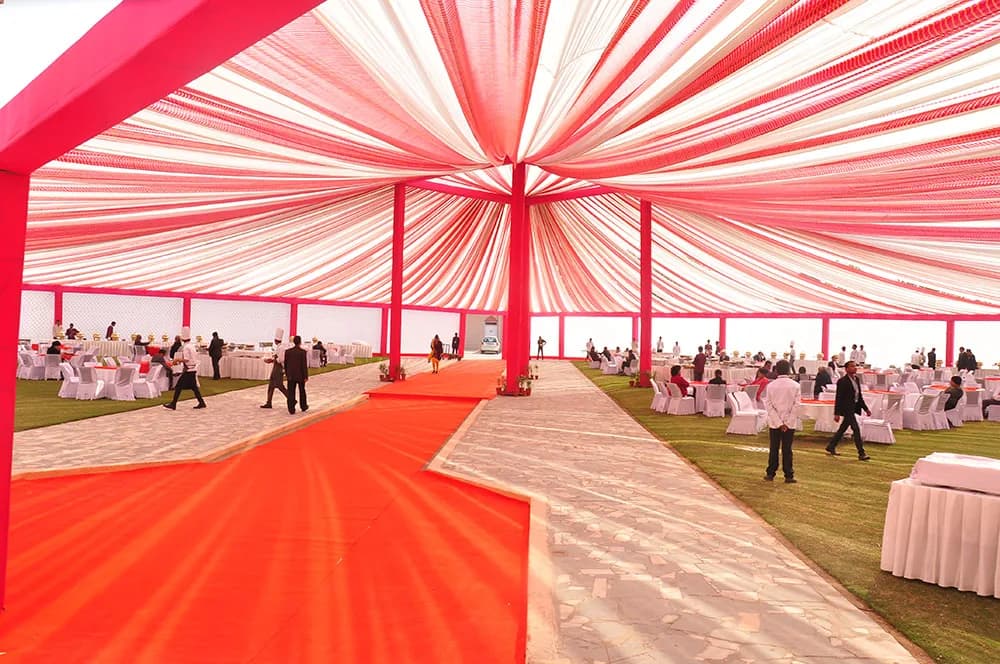
NuKoncept designs and fabricates exhibition stalls, with fabrication handled in-house. The exhibition stall fabrication page describes the scope, and the portfolio shows photographs of event setups produced by the team.
Installation, show days and dismantling
A stall is not finished when it is designed or built. It has to be delivered, installed, kept running and then taken down.
Installation
- Confirm the load-in window and what time you can access the stall
- Arrange transport and labour for unloading
- Have a person on site who knows the design and can answer questions
- Check electrical connections and lighting before the show opens
During the show
- Keep the stall tidy, stocked and working
- Have a plan to fix small problems quickly, such as a light that goes out or a screen that fails
- Keep the key message visible and the entry area clear
Dismantling
- Know the dismantling window and the rules for removing materials
- Plan packing so components can be reused, or disposed of responsibly if not
- Check for damage and record it, so any repair or replacement is known before the next use
A checklist for stall planning
- Define the stall’s main objective and rank the others.
- Get the exhibitor manual and note every rule and deadline.
- Measure the space and understand its position in the hall.
- Decide the single main message.
- Plan visitor flow, zones and entry.
- Plan the display, lighting, staff area, meeting area and storage.
- Choose between modular and custom, and agree the design.
- Order graphics and fabrication in good time.
- Plan installation, show-day support and dismantling.
- Brief the team on the objective, the message and the lead capture process.
Common mistakes in stall design
- Trying to say too much, so no message is clear
- Placing the main message too low or behind a counter
- Overcrowding the stall with products and furniture
- Ignoring the organiser’s rules until late
- Not planning storage or a staff area
- Leaving lighting and power to the last moment
- Not planning dismantling and removal
Next steps
If you are exhibiting soon, start with the exhibitor manual and work back from the show date. For help with stall design and fabrication, contact NuKoncept Events with the exhibition name, the dates, the stall size and what you plan to display. If you are organising an exhibition or a conference with an exhibition floor, see conferences and exhibitions and the conference planning checklist.