Conferences & Exhibitions
Conference Planning Checklist: Everything to Organise Before Event Day
A practical checklist for organising a conference, split into stages from twelve weeks or more before the event to the follow-up afterwards.
By NuKoncept EventsPublished 7 min read
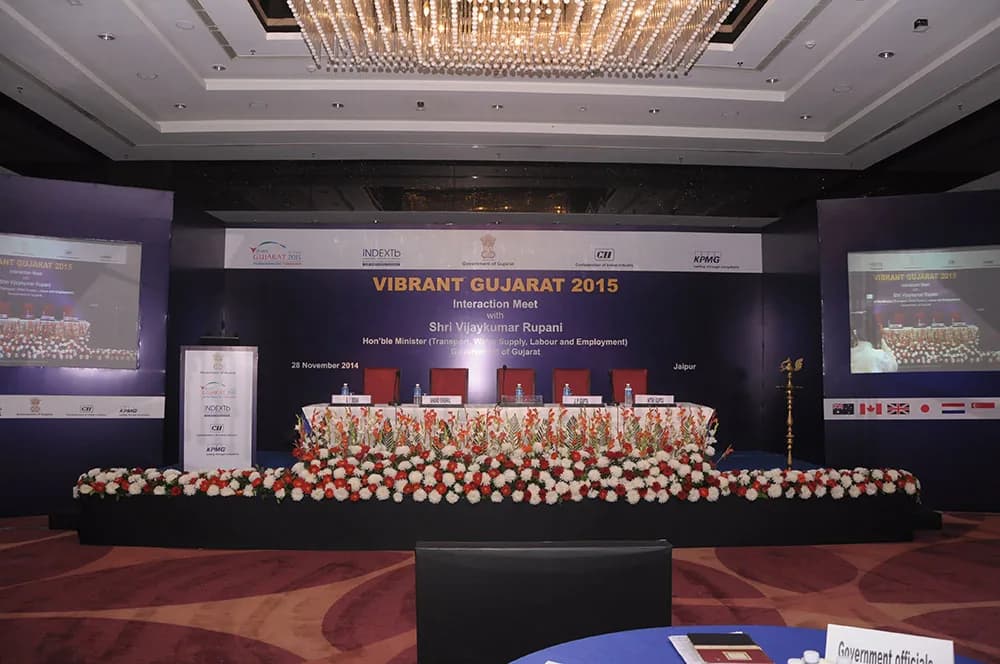
A conference works when sessions start on time, speakers can be heard and seen, delegates know where to go and nothing technical gets in the way of the content. Behind that sits a long list of small tasks, and the list is easiest to manage when it is divided into stages.
Use the checklist as a starting point and cut what you do not need. If you want to understand how lead time changes with scale, see the event planning timeline.
Twelve weeks or more before the conference
This stage is about decisions that everything else depends on and that are hardest to change later.
- Write the conference objective and describe the audience: who they are, how many, and why they would attend
- Set the date and check for clashes with festivals, holidays and major industry events
- Shortlist venues and visit them; check hall capacity for your seating layout, breakout rooms, access, parking and power
- Set a budget range and a contingency. The event budget planning guide shows how to structure it
- Form the organising team and agree who decides what
- Draft the agenda structure: days, sessions, breakouts, breaks and meals
- Identify speakers and approach the priority ones
- Decide how delegates will register and pay, if applicable
- Check which permissions or approvals apply to the venue and the event
Eight to twelve weeks before
Now you move from planning to committing.
- Sign the venue agreement and confirm what it includes: hours, power, furniture, housekeeping and security
- Confirm keynote and key speakers in writing, with their topic, duration and requirements
- Open registration and publish clear information on date, venue, schedule and fees
- Brief a production partner on stage, AV and lighting needs, and ask for a plan and quote
- Plan hospitality: tea and coffee, lunch, dietary options and service points
- Plan delegate travel and accommodation where people are coming from other cities
- Draft the signage and branding plan, including entrance, registration and directional signs
- Request quotes for printing, badges and any branded materials
Four to eight weeks before
- Finalise the agenda, with session times, speaker names and moderators
- Give speakers a clear brief: session format, time limit, equipment, slide deadline and who to contact
- Approve the stage and set design, and confirm layout, seating and sight lines
- Confirm AV: microphones, screens, content playback and a plan for presentations
- Place orders for printing, signage and any fabricated items
- Confirm catering menus and quantities with the caterer
- Plan volunteers or event staff and their roles
- Send reminders to registered delegates with logistics information
Two to four weeks before
- Collect presentations from speakers and check format and content
- Draft the detailed run sheet covering every cue, change and responsibility
- Create the floor plan, with seating, registration, catering and breakout rooms marked
- Proof signage, badges and printed materials, then send them to print
- Do a site visit with the production team and the venue contact to confirm positions, power and load-in
- Prepare the contingency plan and agree who decides what if something goes wrong
- Make a contact list of every vendor, speaker, venue contact and team member
- Confirm transport and accommodation arrangements
The final week
- Reconfirm every vendor, their arrival time and what they are bringing
- Reconfirm every speaker, their arrival time and their session slot
- Print the run sheet and share it with the team
- Confirm final delegate numbers with the caterer and the venue
- Test the registration process and check badge printing
- Arrange rehearsals, including a technical check of AV and a run through of the opening and key sessions
- Brief staff and volunteers with the run sheet and floor plan
- Keep backup copies of presentations, schedules and key documents
On the day
- Arrive early and walk the venue with the venue contact
- Check setup against the floor plan: stage, seating, registration, signage and catering
- Run the technical check: sound, microphones, screens, lighting and presentations
- Hold a short team briefing before registration opens
- Open registration and keep an eye on queue length at peak arrival time
- Start sessions on time and manage changeovers with the moderator
- Look after speakers: arrival, preparation space, slide upload and cue for going on stage
- Keep refreshments, breaks and breakouts on schedule
- Close the day with thanks, key messages and clear information on what happens next
For a more detailed list of final checks, use the event day management checklist.
After the conference
- Send thank-you messages to speakers, delegates and vendors
- Collect feedback from delegates with a short and simple form
- Share presentations, photographs or summaries if appropriate
- Settle vendor accounts and reconcile the budget
- Hold a debrief with the team and record what to change next time
Stage, seating and sight lines
The room layout affects how delegates experience the conference more than most organisers expect. Choose it deliberately.
Seating layout
- Theatre style fits the most people and suits long presentations, but gives little room to take notes.
- Classroom style gives delegates a table for notes and laptops, but takes more space.
- Cabaret or round tables suit discussion and networking, but some seats will face away from the stage.
Stage and sight lines
Check that every seat can see the stage and the screens, including the seats at the back and the sides. Check the height of the stage and the positions of any pillars. If the room is wide or long, plan for repeat screens. The stage should have room for the speakers, a lectern if needed, a moderator and any panel seating, with clear access on and off.
AV and production essentials
Delegates notice AV most when it fails. A microphone that cuts out or a slide that will not display costs time and attention. Plan these areas early.
- Number and type of microphones for speakers, moderators and audience questions
- Screens or projection sized for the room, and a single place to receive and manage presentations
- A clear process for speakers to hand over slides, and for testing them before the session
- Lighting that makes speakers visible and does not wash out the screens
- A technical operator for each session or hall
- Backup options for the things that matter most
The article on sound, lighting and AV for events goes through what to decide, and the event production guide explains how stage, set and technical coordination fit together.
Contingency planning
You cannot plan for every problem, but you can plan for the likely ones. Decide in advance what you will do if:
- A speaker is late or unable to attend
- A presentation file will not open or play
- Power fails or the sound or screen stops working
- Registration queues build up faster than expected
- Weather or travel disruption affects arrivals
- The agenda runs behind schedule
- The caterer is delayed or short on food
For each, name who decides and who acts. Write it on one page and share it.
Common conference planning mistakes
- Booking the venue before understanding the layout, stage and AV needs
- Leaving speaker briefs and presentation collection too late
- Underestimating changeover time between sessions
- Not testing presentations on the actual conference system
- Too little signage, so delegates cannot find the right room
- Not appointing one person to make decisions on the day
Getting help with a conference
Many organisations run conferences internally and bring in help for specific areas, such as production, or for the whole event. NuKoncept Events plans and produces conferences and exhibitions in Jaipur and across Rajasthan; the conferences and exhibitions page describes the scope, with event production and sound, light and AV covering the technical side.
If you are exhibiting at a conference or trade show, read exhibition stall design. And if you would like to discuss a conference you are planning, get in touch with the team.