Event Production
How to Plan a Concert or Live Show: Stage, Sound and Schedule
How to plan a concert or live show: what to settle about the venue, stage, sound, lighting, artists, audience flow, permissions and the run of show.
By NuKoncept EventsPublished 4 min read

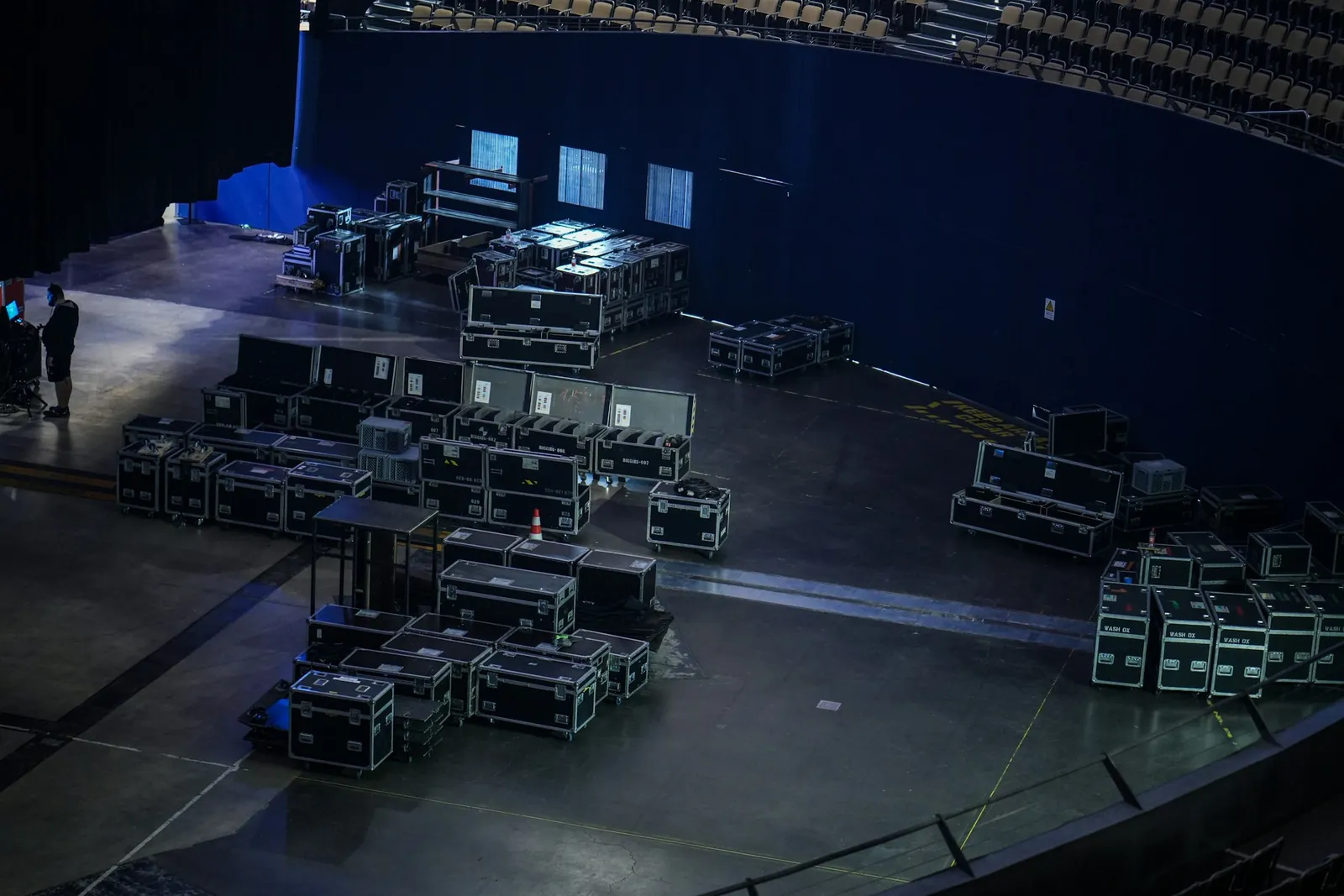
A live show has two schedules running side by side. One is what the audience experiences: doors, openers, the main act, the finish. The other is what the crew has to do to make that possible: load-in, stage build, soundcheck, changeovers and clear-down. Plans that only cover the first one tend to fall apart at the second.
Start with the format and the venue
The shape of the show decides most of what follows. Decide these before anything is booked.
- Is it a single performance, a multi-artist line-up or a full-day programme?
- Is the audience seated, standing or mixed?
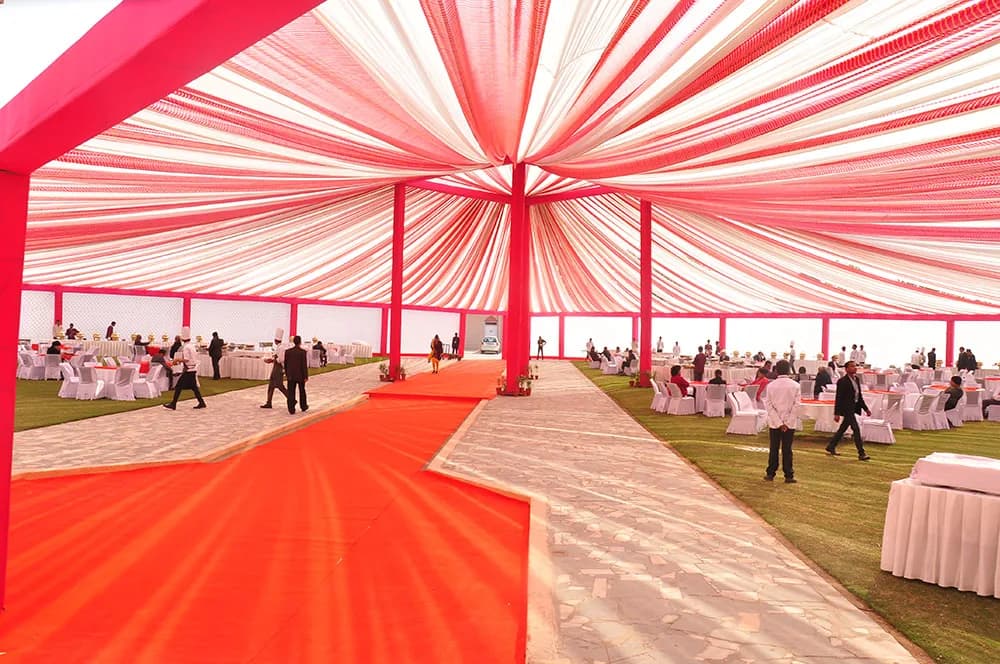
- Is the venue indoors, outdoors or a tent, and who controls access to it?
- How many people are expected, and is entry ticketed, invited or open?
- What time can the crew enter, and what time must everything be cleared?
Visit the venue before committing. Look at where the stage can sit, where power comes from, how equipment is brought in, and where the audience will queue and exit.
Stage, sound and lighting
Stage
The stage should be sized to the performance, not just to the space. A full band, a dance group and a solo singer need very different areas, and the stage also has to carry equipment, cabling and the crew who change over between acts. Ask each act for a stage plan or a list of what they bring.
Sound
Sound has to reach the whole audience clearly and give performers what they need to hear themselves. That means planning the speakers for the room, the mixing position, the microphones and instruments, and the monitoring on stage. Outdoor and open spaces behave differently from halls, so ask the sound team to look at the venue with you. The sound, lighting and AV guide covers the questions to settle.
Lighting and screens
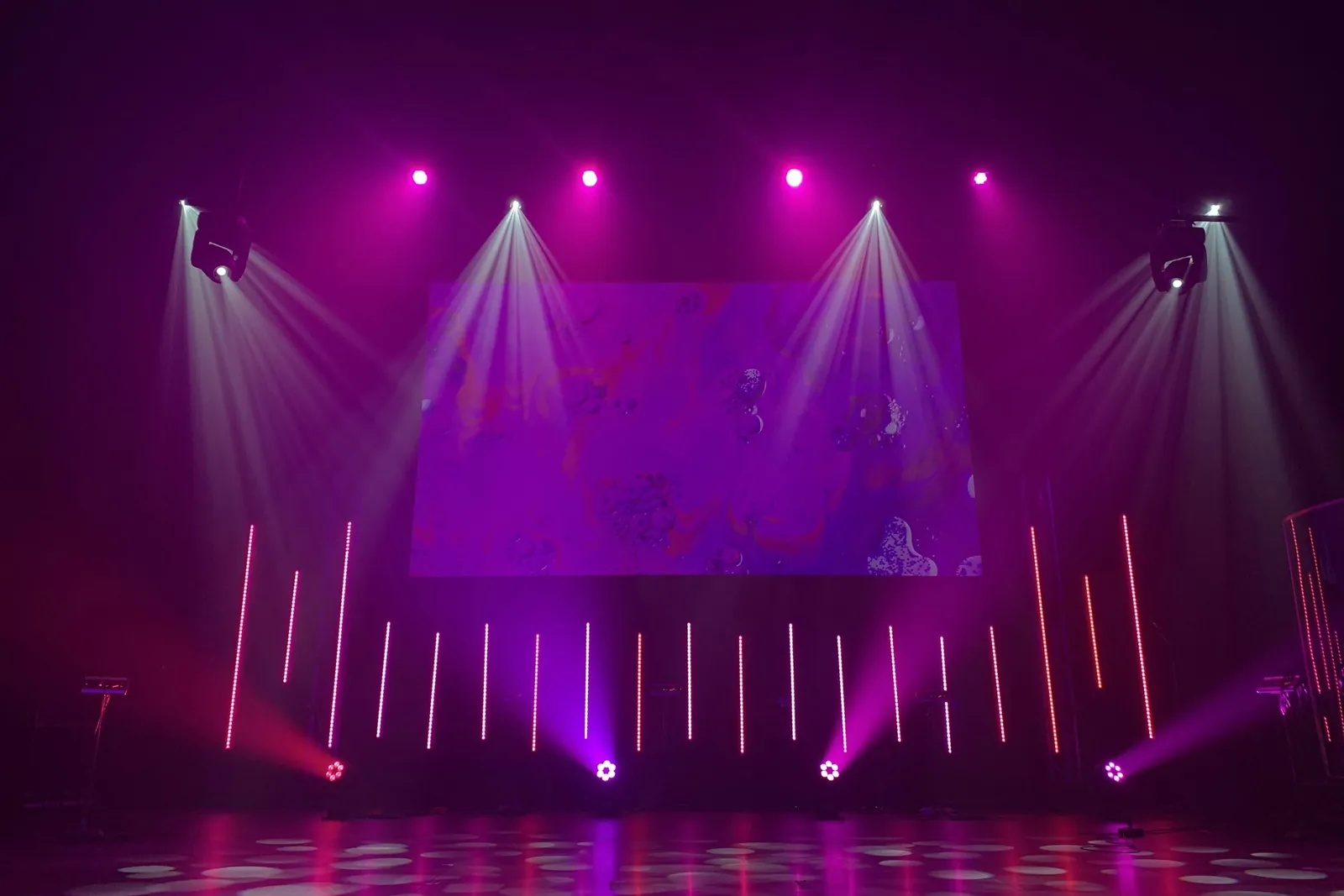
Lighting sets the mood and also makes sure the performers are seen. Screens help people at the back follow the show and can carry visuals or live camera feeds. Decide early whether there will be screens, because they affect sight lines, power and the stage layout.
Artists and logistics
Most live-show problems are logistical. Agree these things with each artist's team, in writing, ahead of the day.
- Arrival time, soundcheck window and slot in the running order
- Technical requirements, including microphones, instruments and stage needs
- Set length and what happens if the programme runs late
- Green room, hospitality and who looks after the artist on site
- A named contact on each side for the day
If you need help finding or coordinating performers, see how artist management works for events.
Audience experience
The audience experience begins at the gate. Plan how people arrive, how they are checked in, where they queue and how they leave. Signage, separate entry and exit routes, clear areas for seating or standing, and visible staff all make a crowd easier to manage. For larger shows, ask the venue and the local authority what they require for crowd safety and emergency access.
Permissions and venue limits
Venues and local rules can limit sound levels and set time limits for amplified music, particularly at night. If you play recorded music or host performers at a public event, ask who needs to arrange licences or permissions. Do this early, because these approvals can take time and affect the programme.
Build one master schedule
A master schedule lists everything against the clock, from load-in to clear-down. It should show who is responsible for each item and when the stage, sound and lighting are ready to be checked. Share it with the venue, the crew and the artists' teams so everyone works to the same plan.
- Load-in and stage build
- Sound and lighting setup
- Soundcheck and technical rehearsal
- Doors and audience entry
- Performances and changeovers
- Finish, audience exit and clear-down
Common mistakes
- Planning the audience experience but not the crew schedule
- Not visiting the venue to check power, access and sight lines
- Leaving artist requirements and soundcheck times unconfirmed
- No backup for key equipment or power
- Ignoring sound limits, timings and permissions until late
- No clear owner for decisions on the day
Further reading and next steps
The event production guide explains how the stage, sound, lighting and crew fit together, and the event-day management checklist helps you run the day itself.
NuKoncept Events manages concerts and live shows, coordinating the stage, sound, lighting, AV and artists behind a performance. To discuss yours, contact the team with the venue, the date and the kind of show you have in mind.