Event Planning
Event Day Management Checklist: What to Check Before Guests Arrive
What to check on the day of an event, in order: access and setup, technical checks, registration, briefings, run sheet, contingency, guest arrival, closing and dismantling.
By NuKoncept EventsPublished 7 min read
On the day of an event, the most important work has already been done. What remains is checking that it all holds together, and making quick decisions when it does not. A checklist keeps those checks consistent, especially when people are tired and time is short.
Adapt the lists below to your event. They apply to conferences, corporate events, launches and weddings. For the weeks before the event, see the conference planning checklist and the event planning timeline.
Before anyone else arrives
- Arrive well before the first vendor and walk the venue with the venue contact
- Confirm access: gates, parking, loading points and the routes vendors will use
- Check that the rooms and areas you booked are available and clean
- Check lights, air-conditioning or cooling and restrooms
- Confirm who at the venue is your contact for the day, and how to reach them
- Confirm the arrival time of every vendor and any delay they are aware of
Setup
- Check the layout against the floor plan: seating, stage, registration, catering, display areas
- Check that exits are clear and signposted, and that walkways are not blocked
- Check furniture, linens, tables and chairs for number and condition
- Check décor, flowers and any built elements for stability and finish
- Check that setup is on schedule against the run sheet, and agree what to cut if it is not
Stage and branding
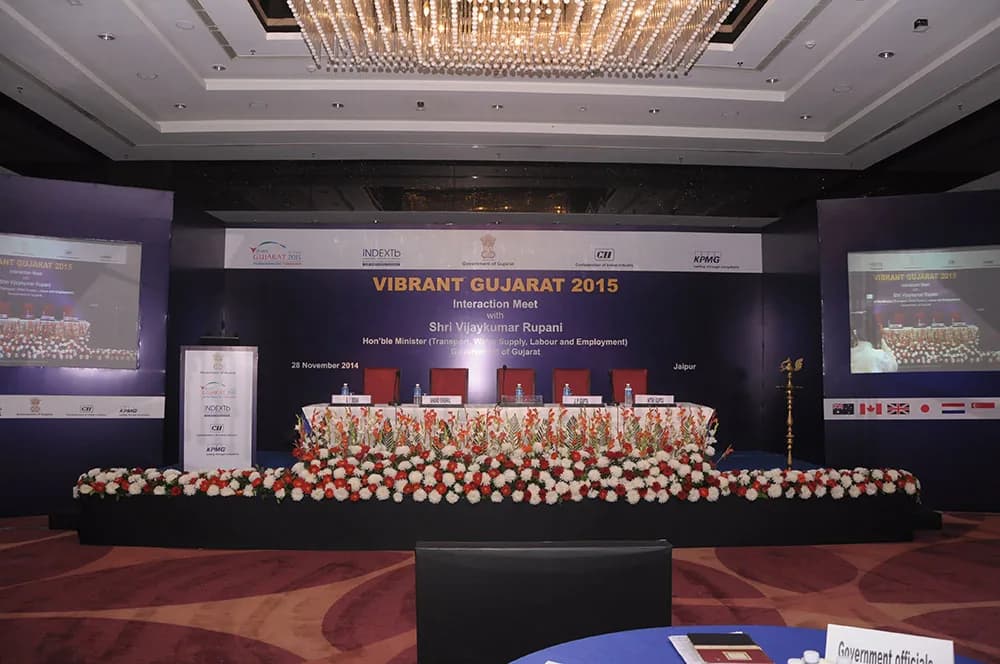
- Check the stage: structure, steps, surface, edges and any lectern or furniture
- Check that backdrops, banners and logos are correct, straight and spelled correctly
- Check branding and signage at the entrance, registration, directions and key photo points
- Check sight lines from the seats, including the sides and the back
Sound check
- Test every microphone for volume, feedback and battery level
- Test music and any playback audio at event volume
- Walk the room while someone speaks, and check that the sound is clear everywhere
- Check monitors for performers if there are any
- Confirm who operates sound, and that they have the run sheet
Lighting
- Check that speakers and performers are properly lit
- Check that light does not fall on screens and wash them out
- Check any lighting cues or changes against the run sheet
- Check entrances, walkways and backstage areas are lit safely
Presentations and screens
- Load every presentation and video on the event system, and open each one
- Check that fonts, images, animations and videos display and play correctly, with sound
- Check that the screens are visible from every seat and the picture is readable
- Keep a second copy of every file on a separate device
- Confirm how speakers will advance slides and who controls them
The article on sound, lighting and AV for events explains what to plan in each of these areas.
Registration and signage
- Check the registration desks are set up with guest lists, badges and pens or devices
- Check that the registration team knows the names of VIPs, special requests and what to do if a name is missing
- Check directional signs at every decision point: entrance, lifts, corridors, hall doors
- Check accessibility routes and assistance for guests who need them
Hospitality
- Confirm with the caterer that food, drinks and service staff are on schedule
- Check that serving counters are placed so queues do not block movement
- Check dietary requirements and how those meals will be identified and served
- Check drinking water, refreshments for the crew and the plan for waste
Staff and speaker briefings
- Brief the team before doors open: roles, the run sheet, key contacts and what to do in an emergency
- Confirm who is the decision-maker for each area
- Brief speakers on timing, cues, where to wait and where to stand
- Show hosts or moderators the running order and the signals for time
- Give volunteers or ushers clear instructions on where to stand and what to say
Run sheet and communication
- Make sure every key person has the latest run sheet, printed or on a phone
- Agree how the team will communicate: phones, radios or a messaging group
- Check that cues are clear: who gives them, who receives them and what they mean
- Agree what happens if the programme runs late and what can be shortened
Who should own what on the day
A checklist only works if someone is responsible for each part. For most events, these roles cover the ground. One person may hold several of them at a small event.
- Event lead: makes the final decisions and holds the run sheet.
- Venue liaison: works with the venue team on access, power, timings and facilities.
- Technical lead: responsible for sound, lighting, screens and the people who operate them.
- Registration lead: runs check-in, badges and the guest list.
- Hospitality lead: works with the caterer and manages service points and refreshments.
- Speaker or artist liaison: looks after speakers and performers from arrival to exit.
Write the names against the roles on the run sheet, with a mobile number for each.
Common problems on the day, and quick responses
- A speaker is late. Re-order the programme if you can, bring forward a segment that is ready, and keep the host informed.
- A presentation will not open. Use the second copy on the backup device, and agree a fallback such as presenting without slides.
- A microphone or screen fails. Switch to a spare and tell the audience calmly what is happening.
- The registration queue grows. Add staff at the desk, open a second line and move arriving guests towards refreshments.
- The programme runs over. Decide in advance what will be shortened, and who tells the speakers.
- Weather changes. Move to the covered alternative you planned, and tell guests clearly where to go.
Emergency contacts and contingency
- Make a single list of contacts: venue, vendors, speakers, team and emergency services
- Check the location of exits, first-aid supplies and the nearest medical help
- Confirm the plan for power, weather, a missing speaker or a failed system
- Name who decides when the plan has to change
When guests begin to arrive
- Have the registration team in place and ready before the first guest
- Watch the entrance and the queue, and add help if it builds
- Make sure guests are directed to the right place without having to ask
- Keep the main contact for each area reachable and nearby
- Start on time if you can, and keep to the run sheet
During the event
- Keep an eye on the clock and the run sheet, and warn the next segment in advance
- Check that speakers are ready before they go on
- Look after guests of honour and anyone with special needs
- Walk the venue regularly to spot small problems early
- Keep refreshments, restrooms and signage in good order
- Record issues as they happen so you can review them later
Closing the event
- Plan the final moments: thanks, key messages and information on what happens next
- Manage departure: transport, parking and exits
- Collect lost property and any items left behind
- Thank key people, including speakers, vendors and the venue team
Dismantling
- Confirm the dismantling window and the order in which things come down
- Make sure vendors know the access times and the rules for removing equipment
- Check the venue with the venue contact for damage and for anything left behind
- Record anything damaged or missing, so it can be dealt with straight away
- Collect receipts, delivery notes and signed-off timesheets for reconciliation
After the day
Review the event while it is fresh. Note what worked, what did not and what to change. Settle vendors against the budget; see the guide to event budget planning for how to reconcile it.
If you want help running the day
An event is easier to run when someone other than the host is responsible for the details. If you are choosing a partner, see how to choose an event management company in Jaipur. NuKoncept Events plans and produces events in Jaipur and across Rajasthan, with event production and on-site coordination. You can see the full list of services or get in touch to discuss your event.