Event Planning
Event Planning Timeline: When Should You Start Planning?
There is no single lead time for every event. Here is what actually decides how early to start, and a framework you can work backwards from your event date.
By NuKoncept EventsPublished 7 min read
Almost everyone planning an event asks the same thing early on: how much time do we need? The honest answer is that it depends, and the useful question is what it depends on. A birthday dinner for thirty people and a two-day conference with an exhibition floor are not the same job, and no single number of weeks fits both.
What decides how much lead time you need?
Lead time is not a fixed property of an event type. It is the sum of the things that cannot be rushed. When you look at your own event, check it against these five factors.
Complexity
The more moving parts there are, the more time each one needs and the more time is spent making sure they fit together. A single-room meeting has few dependencies. An event with a stage, several speakers, a registration process, catering, transport and a custom set has many, and a delay in one holds up the others.
Venue and date availability
If your event has to happen on a particular date, or in a particular kind of venue, availability can decide the whole schedule. Weddings and festival-linked celebrations tend to cluster around certain dates, and venues and vendors fill up for those. Conferences and exhibitions often need larger halls that are fewer in number. When the date is fixed, the venue should be one of the first things you secure.
Guest count
More guests mean more of everything: seating, entry points, catering, parking, transport, accommodation and staff. They also mean more people to invite and confirm, and invitations for larger or travelling audiences need to go out earlier so people can plan.
Production requirements
A basic setup with a microphone and a projector can be arranged quickly. A custom stage, a built set, a branded entrance or a stall that has to be fabricated needs design, approval, building and a trial setup. Fabrication and printing in particular are not instant, and changes late in the process cost time as well as money. If production is a large part of the event, plan the design stage early. Event production goes into what that work typically involves.
Approvals
Some events need sign-off from several people inside an organisation: management, finance, legal, a brand team. Others need permissions connected to the venue, sound levels, road access or public gatherings, depending on the event and its location. Approvals can be slow and are often outside your control, so treat them as a schedule item, not an afterthought.
A practical framework: plan backwards from the event date
Instead of asking how early to begin, start from the event date and work back. The sequence below applies to most events. The time attached to each stage will change with the five factors above, so treat it as an order of work and not a calendar.
- Fix the decisions everything else depends on. Purpose, audience, approximate date, guest count and a budget range. Until these are settled, everything else is guesswork.
- Secure the long-lead items. The venue, key speakers or artists, anything that has to be built or printed in bulk, and travel or accommodation for guests who are coming from elsewhere.
- Design and approve. Agenda, stage and set design, branding, floor plan and the production plan. Get written sign-off so later changes are visible.
- Produce and confirm. Fabrication, printing, catering menus, vendor schedules, transport and the guest list. This is the stage where small changes begin to carry real cost.
- Rehearse and prepare. Run sheets, briefings, technical checks and a rehearsal of the parts that matter most, such as presentations, entries and cues.
- Run the event and close it out. Setup, the event itself, dismantling, settling vendors and reviewing what worked.
Long-lead items and short-lead items
A simple way to prioritise is to separate what takes a long time from what can be done quickly. Spend your early weeks on the first list.
Usually long-lead
- Venue booking, especially for fixed dates or large halls
- Custom stage, set or stall fabrication
- Speakers, performers or guests of honour whose calendars are busy
- Printed material that needs design, proofing and production
- Travel and accommodation for outstation guests
- Permissions and approvals that depend on other people
Usually shorter-lead
- Final guest confirmations and seating
- Run sheets and staff briefings
- Signage that has already been designed
- Catering quantity confirmations
- Rehearsal schedules
How lead time differs by type of event
These are not rules. They describe how the factors above tend to show up in each kind of event, so you can judge where yours sits.
Small events
A small gathering with a simple format can come together relatively quickly if the venue and caterer are available. The risk is not complexity, it is availability, so confirm the date and venue before anything else.
Corporate events
Corporate events often depend on internal approvals, speaker availability and a clear brief from management. The planning itself may be straightforward, but sign-offs can stretch the timeline. Agree who approves what at the start. The corporate event planning guide covers the full sequence from brief to execution.
Conferences
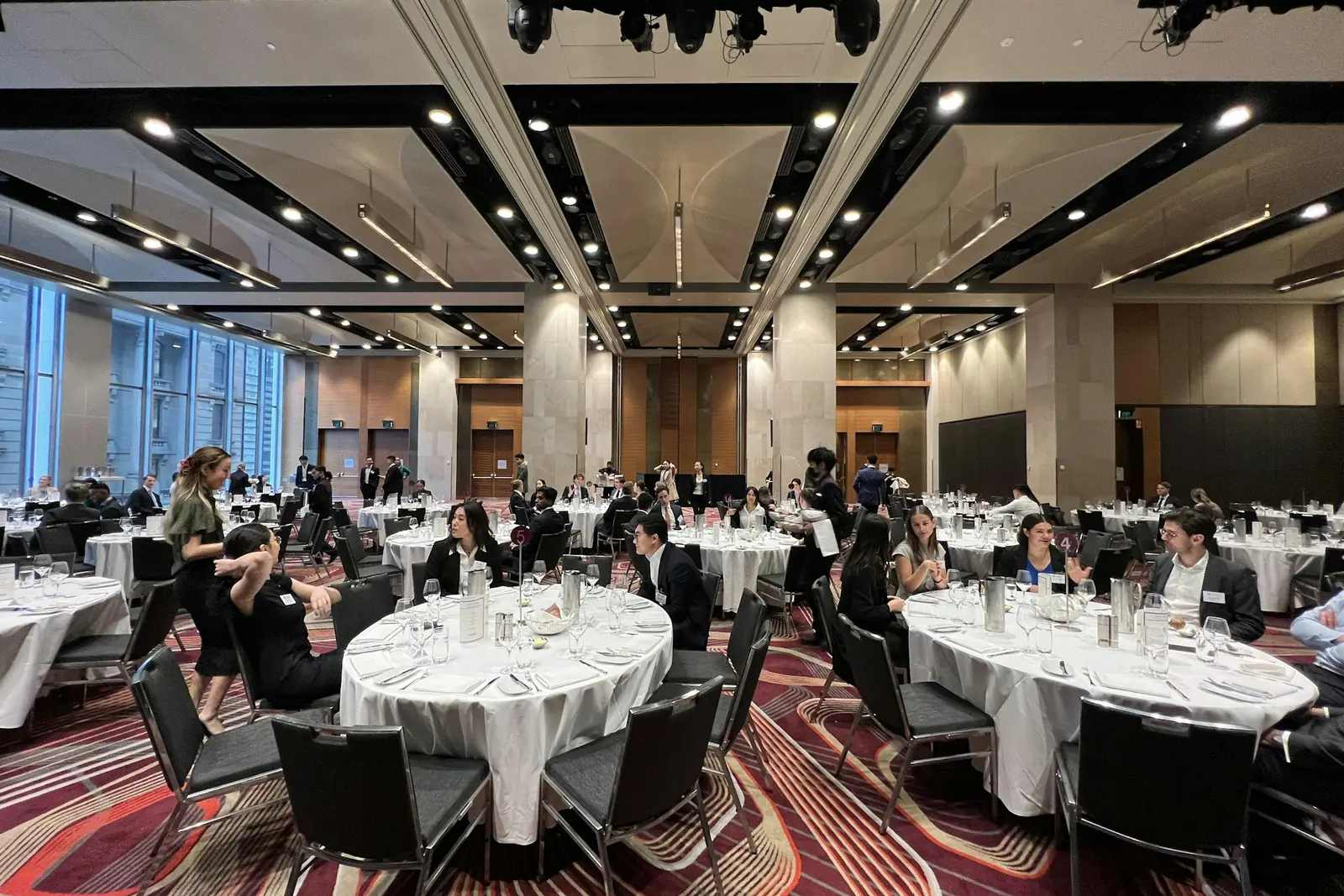
Conferences have more dependencies: a venue that suits the audience, a programme, speakers, registration, and production for the stage and sessions. Delegates also need time to plan to attend. The conference planning checklist breaks the work into stages.
Exhibitions
Exhibitors work to the organiser's schedule, and stall design and fabrication need lead time before the show opens. If you are exhibiting, start with the exhibitor manual and its deadlines. Exhibition stall design explains how to plan a stand.
Weddings
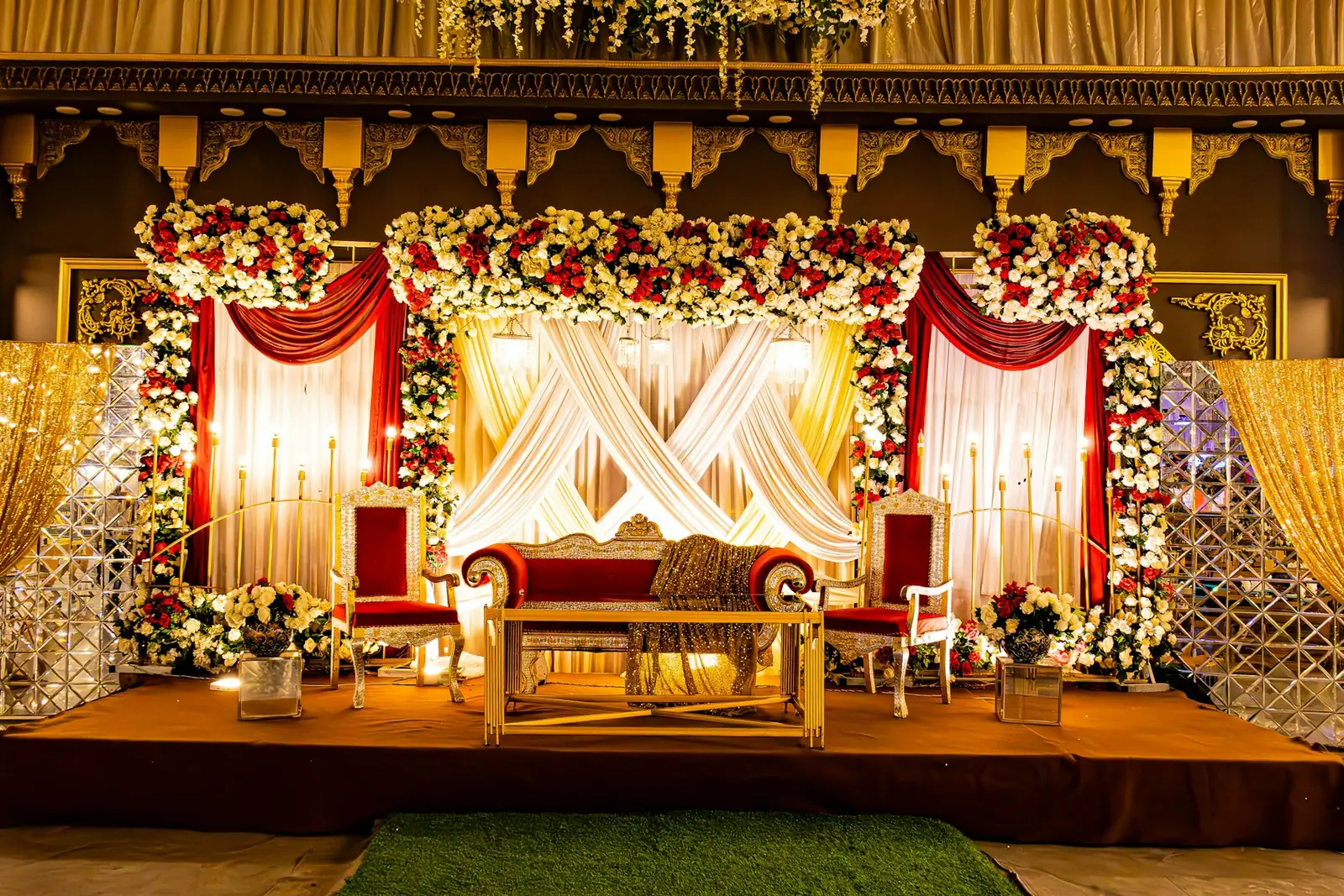
Weddings combine fixed dates, many functions, a large guest list and many vendors, and families often have several people involved in decisions. Dates and venues are often the first constraint, and décor and staging need design and build time. See planning a wedding event in Jaipur for the details.
Larger productions
Concerts, large launches and multi-day events involve technical planning, site access, power, crew schedules and often multiple vendors. These need the longest lead, and technical decisions should be made early because they affect the layout, the budget and the schedule.
Common timeline mistakes
- Choosing a venue last, then discovering the date is not available
- Treating production and fabrication as something to arrange in the final weeks
- Leaving approvals to the end, so a single sign-off holds up everything
- Not building any buffer between stages, so one delay becomes several
- Making design changes after production has started
- Sending invitations late to guests who need to travel
Build a buffer, and write it down
Whatever timeline you choose, leave slack at each stage. Events rarely fail because of one big problem. They go wrong when small delays stack up with no room to absorb them. A written timeline with owners and dates against each item also makes it easy to see early when something is slipping.
If you are working with an event company, ask for the schedule in writing as part of the proposal. How to choose an event management company in Jaipur lists what a good proposal should include, and planning an event budget is worth reading alongside this, because budget and timeline pull on each other.
Where to go from here
If you have a date or a rough idea and want to talk through what it would take, you can get in touch with NuKoncept Events. It helps to share the type of event, the date, the location and a rough guest count. You can also see the kinds of events NuKoncept plans and produces under corporate events, wedding events and conferences and exhibitions.