Business & Brand Events
How to Plan a Product Launch Event
A product launch is built around one moment. How to plan the objective, audience, reveal, stage, demonstrations, guest experience and technical run for a launch event.
By NuKoncept EventsPublished 7 min read
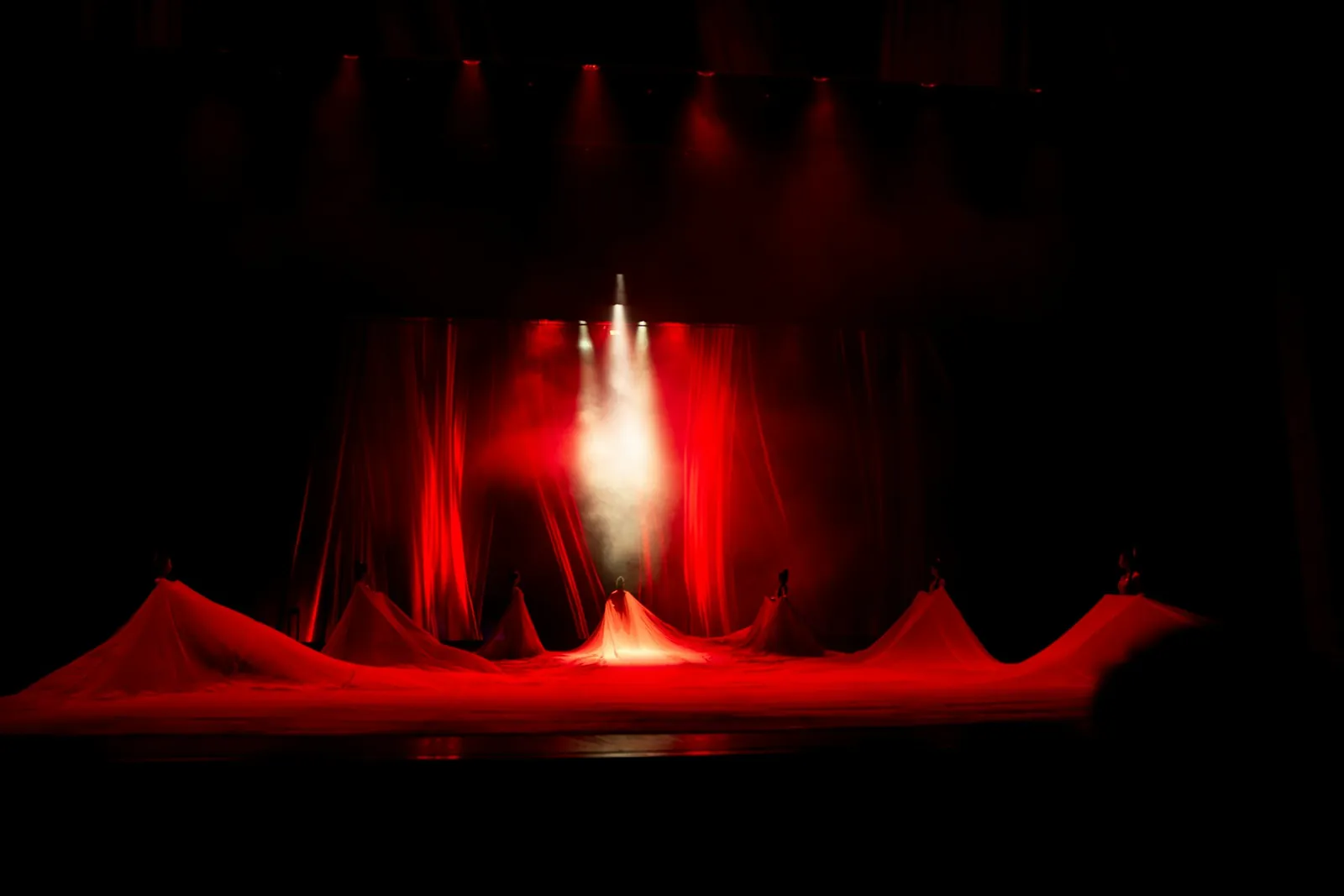
A launch event has one job: to make a specific group of people understand and remember a product. Everything in the room either supports that or competes with it. That is why a launch is planned around a single moment, usually the reveal, and the rest of the event is designed to build toward it and carry the impression afterwards.
Start with the launch objective
Be specific about what the launch should achieve. Different objectives lead to different events.
- Introduce a product to customers or dealers so they understand what it is
- Show a product to the media or influencers so they can write or talk about it
- Give the internal sales team the confidence and information to sell it
- Create a first public impression that supports a wider campaign
Choose one main objective and one or two supporting ones. Write down what success will look like. It might be attendance by the right people, coverage afterwards, enquiries that follow, or simply internal alignment.
Choose the audience carefully
A launch is not the place to invite everyone. The audience determines the tone, the venue, the length and what you show.
- Who needs to be in the room for the launch to work?
- Are they customers, trade partners, media, influencers, investors or staff?
- How many people can the venue and the format handle comfortably?
- What do they already know, and what do they need to learn?
Design the reveal moment
The reveal is the point the whole event builds toward. It might be the moment a product is uncovered, a demonstration begins, a film plays or a founder speaks. Decide what it is and design for it.
- Give it a clear place in the running order and enough time
- Make sure everyone can see it, whatever their seat
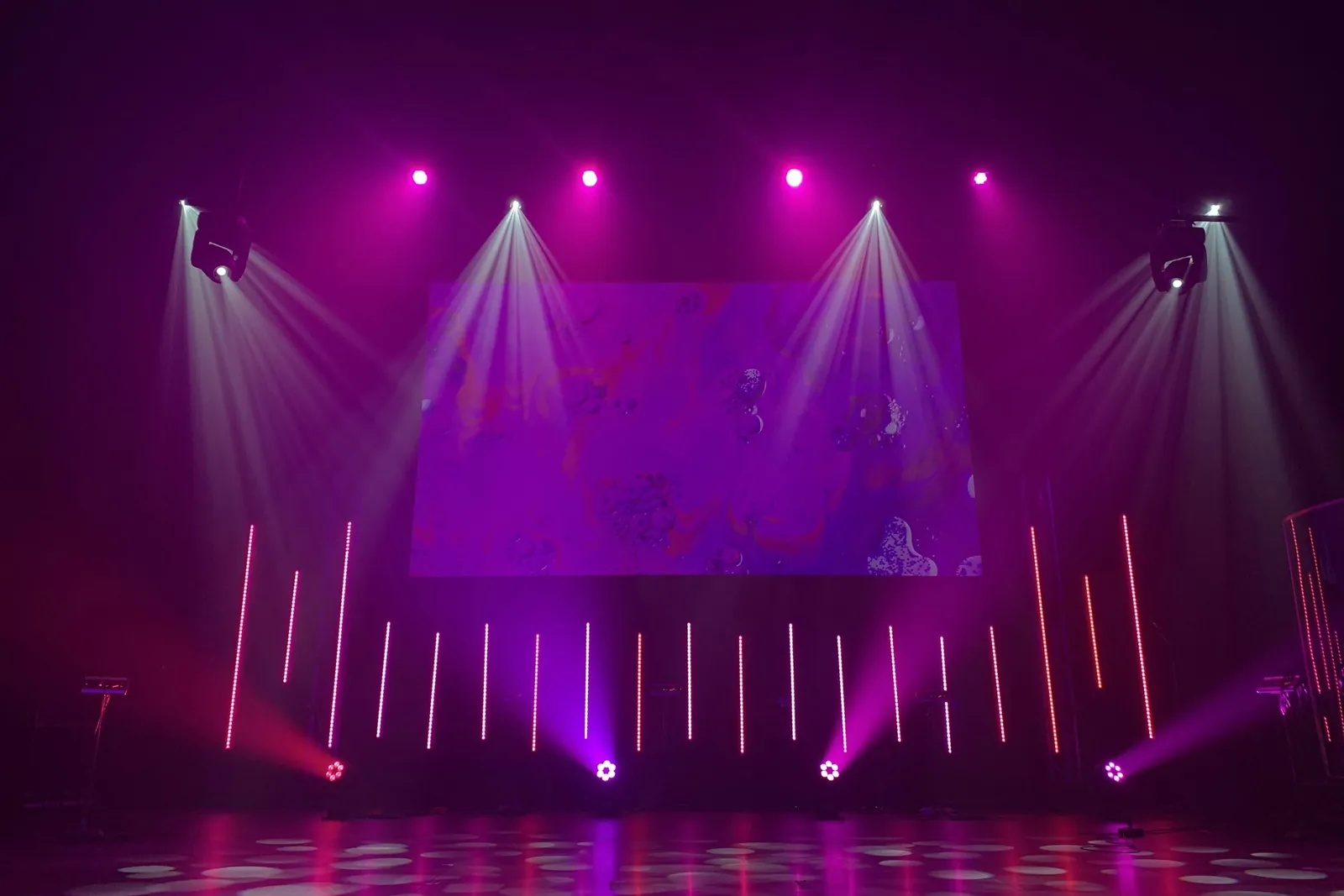
- Plan the lighting, the sound and the screens together so they land at the same moment
- Keep it simple enough that it can be rehearsed and repeated reliably
Tell the brand story, briefly
Audiences remember a few clear ideas, not a long list. Decide the two or three things you want them to take away, and make the programme, the presentations and the signage consistent with them. Keep presentations short and visual. If a speaker needs forty slides, the story is not yet clear.
Venue, stage and set design
The venue and the stage shape the audience’s experience of the product.
Venue
- Choose a space that suits the size and style of the launch, not just the guest count
- Check ceiling height, power, access and the space for a stage and backstage area
- Check what the venue allows in terms of branding, structures, sound and timings
Stage and set
- Design the stage around the product and the reveal, not the other way around
- Plan backdrops, branding surfaces and photograph points
- Leave room for presenters, demonstrations and the product itself
- Make sure everything is buildable, safe and can be installed in the available time
The event production guide explains what stage, set and technical production typically include. NuKoncept’s product launches page describes how launches are planned and produced.
Product display and demonstrations
- Decide where the product will be shown, and from what angles
- If there is a demonstration, test it in the venue, with the actual product, and have a fallback if it does not work first time
- Plan lighting that shows the product accurately and avoids glare
- Decide what guests may touch or try, and how that area is managed
- Keep staff nearby who know the product and can answer questions
Choosing a launch format
There are several broad ways to structure a launch. Choose according to the product and the audience.
- A seated presentation suits a clear story, a larger audience and a single reveal. It needs a good stage, good sight lines and reliable AV.
- A standing showcase suits products that people should see and handle. It needs well-planned display areas and room to move.
- A hosted experience combines a short presentation with time to explore. It needs careful guest flow so people do not miss the reveal.
- A smaller, invitation-only gathering suits trade partners, media or key customers, where conversation matters more than scale.
Presentations and speakers
- Agree the running order and time for each speaker
- Collect presentations in advance and test them on the event system
- Brief speakers on cues, timing and where to stand
- Plan how presentations, video and live demonstrations will be switched
Photography and video
Most launches are recorded in some way, and what is captured often reaches more people than the guests in the room. Plan for it.
- Decide what you need: stills, short clips, a full film or a live stream
- Brief the photographers or videographers on the key moments and the running order
- Plan lighting that works for cameras as well as for the room
- Agree where cameras may stand so they do not block guests
- Decide how and when content will be shared afterwards
Media and influencers
If media or influencers are attending, give them what they need to do their work. Provide clear information in advance, a point of contact on the day, a good position to see and photograph the product, and information they can use afterwards. Avoid promising coverage. Your job is to make it easy, not to guarantee it.
Guest experience from arrival to exit
A launch starts when the first guest arrives, not when the programme begins.
- Clear directions, signage and a welcoming entrance
- Efficient check-in so there is no queue at the door
- Something for guests to do or see while others arrive
- Refreshments that match the timing and format
- A clear moment of closing, and a way to follow up with guests afterwards
Technical rehearsal
A launch depends on cues. Rehearse them on site, with the people who will run them.
- Run the opening and the reveal in the venue at least once
- Test sound, lighting, screens and playback together
- Check presenter positions, microphones and sight lines
- Check how content is cued and who gives the cue
See sound, lighting and AV for events for what to plan.
Contingency planning
You cannot plan for everything, but you can plan for what would hurt most.
- A backup for the reveal if a mechanism, a screen or a film fails
- A spare presenter or a way to cover if a speaker is delayed
- A copy of every presentation and video on a second device
- A plan for power, weather or access problems
- A named person who decides what to do if something goes wrong
A simple structure for the run of show
Launches vary, but a clear structure helps. Adapt it to your event.
- Guests arrive and register
- Welcome and a short introduction
- The story behind the product
- The reveal
- Demonstration or experience
- Questions, conversations and refreshments
- Closing and follow-up
Common mistakes in launch planning
- Planning the event before the objective. The programme becomes a list of items, not a path to one idea.
- Too many speakers and slides. The reveal is lost.
- Treating production as an add-on. The stage and the reveal are decided last, when options are limited.
- Not rehearsing the reveal. The most important moment is the least tested.
- No plan for the product failing. A demonstration that does not work, with no fallback.
Working with an event partner
A launch benefits from planning and production being considered together, because the stage, the screens and the cues are part of the story. If you work with a partner, give them the objective, the audience, the date and venue options, the budget range and the reveal moment you have in mind. The event planning timeline and the event budget guide can help you prepare.
NuKoncept Events plans and produces product launch events, with event production and AV handled alongside the planning. To discuss a launch, contact the team with the product, the date and the audience you want in the room.