Event Planning
Planning a Sports Event: Schedule, Ceremonies and Spectator Flow
How to plan a sports event or tournament: what to settle about the venue, timings, ceremonies, sound, screens, branding and participant and guest coordination.
By NuKoncept EventsPublished 3 min read
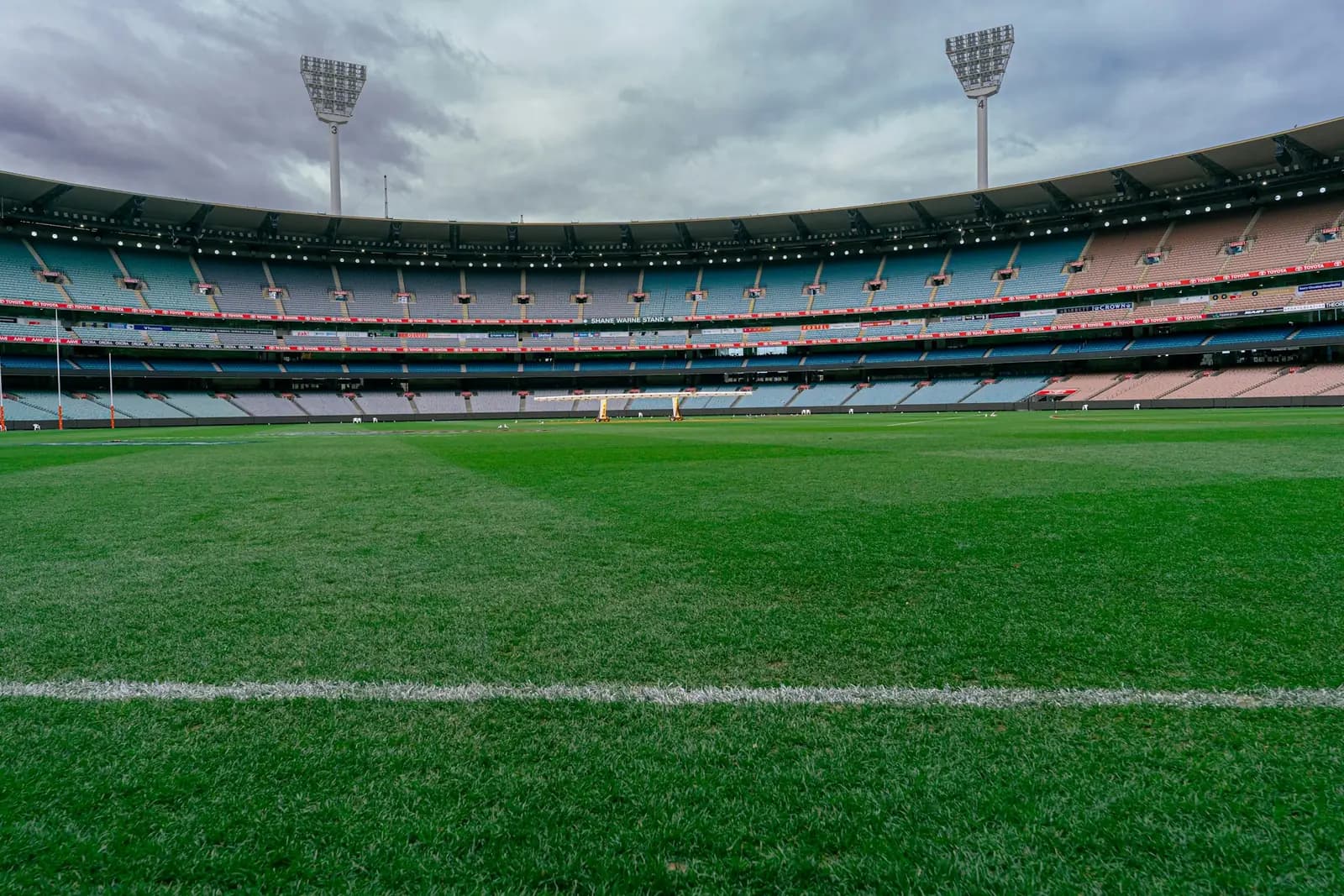
A sports event is mostly logistics. Matches start on time only when participants arrive when they should, officials and organisers know what is happening, and spectators can find their way in. The ceremonies, sound and screens matter, but they depend on the schedule being right.
Define the scope first
Sports events differ more than most. A school sports day, a corporate tournament and a multi-day league need very different things. Write down the basics before planning anything else.
- Which sport or sports, and how many teams or participants?
- Is it a single day, a weekend or a longer fixture list?
- Who is the audience: participants only, invited guests or the public?
- Is there an opening ceremony, a closing ceremony or prizes?
- Are there sponsors whose branding needs to be placed?
Venue and schedule
Venue
Check what the venue already provides and what you must bring. Look at the playing area, spectator areas, entry and exit points, changing areas, power, and where announcements will be heard. Ask who is responsible for the playing surface and for any rules the venue sets.
Schedule
Build the schedule around the fixtures, then add everything that sits around them: warm-up times, breaks, ceremonies and changeovers. Leave buffers, because fixtures overrun. Share the schedule with officials, team managers and the crew so they can plan their own timing.
Ceremonies, sound and screens
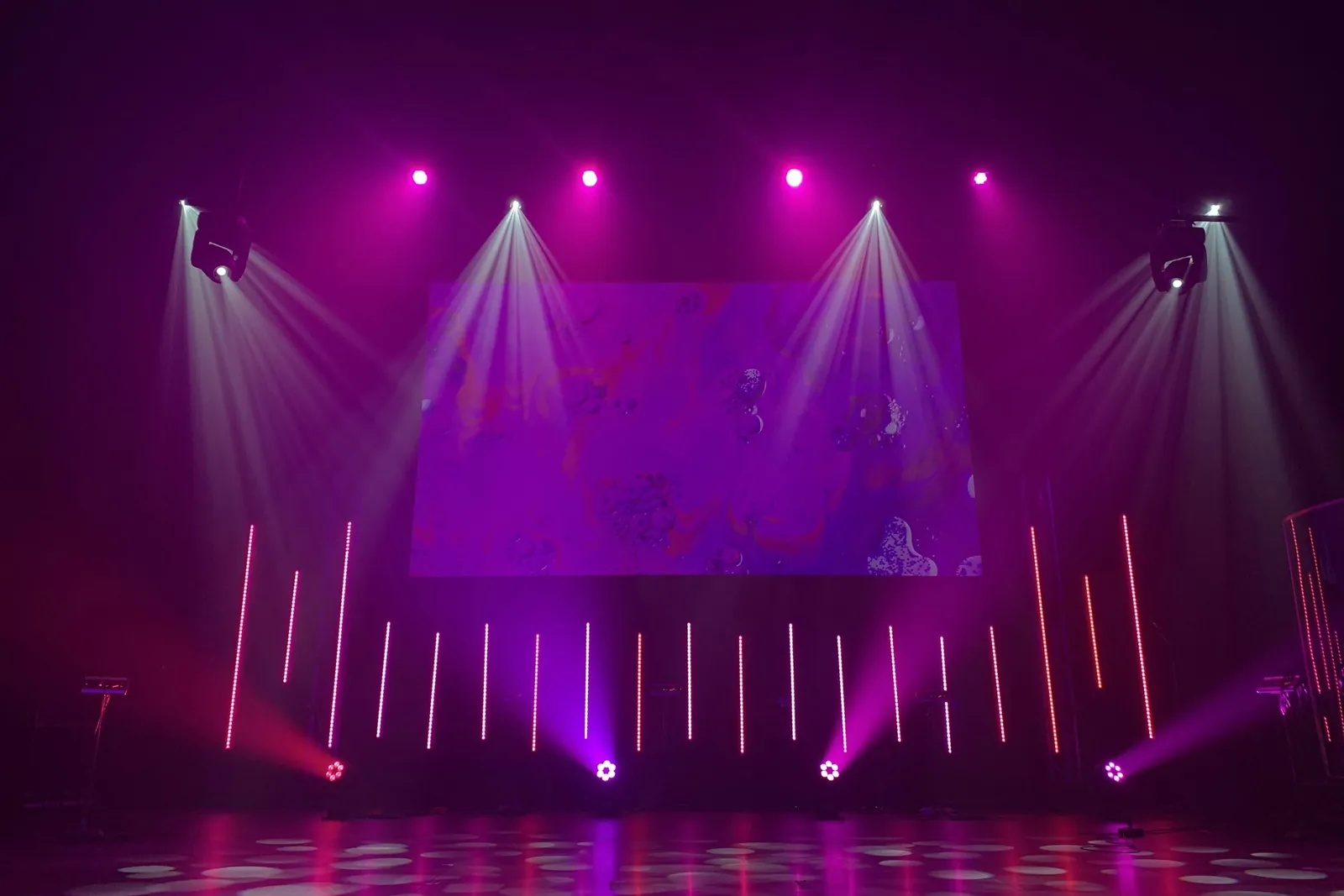
An opening or prize ceremony needs a stage or presentation area, a running order and someone to host it. Sound carries commentary, announcements and music across the venue, so test it from the spectator areas as well as the field. Screens can show scores, sponsor messages and highlights, and they need power, positions and an operator.
- Where will the ceremony stage or podium sit, and how do participants reach it?
- Who announces, and from where?
- What will the screens show, and who controls the content?
- What happens to the ceremony if play runs late or the weather turns?
Branding and signage
Sponsor and event branding should be planned for the whole venue: entry points, the playing area surround, the ceremony stage and the spectator areas. Agree sizes, positions and who installs them. Branding that arrives on the day with no installation plan is a common cause of delay.
Participants, guests and spectators
People arrive from different directions with different needs. Plan separate, clearly marked routes where it helps, and decide who looks after each group on the day.
- Participants: arrival times, access to changing areas, briefing points and a contact for questions.
- Officials and guests: seating, hospitality and a named host.
- Spectators: entry, seating or standing areas, signage and facilities.
Safety and on-site management
Ask the venue and the local authority what is required for safety, first aid and emergency access, and assign a named person to coordinate on the day. Agree how decisions are made if something changes, for example a delay or a weather interruption, and how that is communicated to participants and spectators.
Common mistakes
- Starting with the ceremony and leaving the fixture schedule loose
- Not testing sound from the spectator areas
- No plan for delays, weather or overruns
- Branding with no installation plan
- No single person coordinating on the day
Further reading and next steps
The event day management checklist covers the running of the day, and the event production guide explains how stage, sound and AV fit together.
NuKoncept Events plans and produces sports events, covering planning, ceremony stages, sound and AV, branding, participant and guest coordination, and on-site management. Scope is defined at the briefing stage. To discuss yours, contact the team with the sport, the venue and the dates.