
Event Planning
Booking Artists and Performers for an Event: What to Plan
A practical guide to booking performers for events and weddings: the brief, the slot, technical requirements, logistics, written agreements and event-day coordination.
By NuKoncept EventsPublished 3 min read
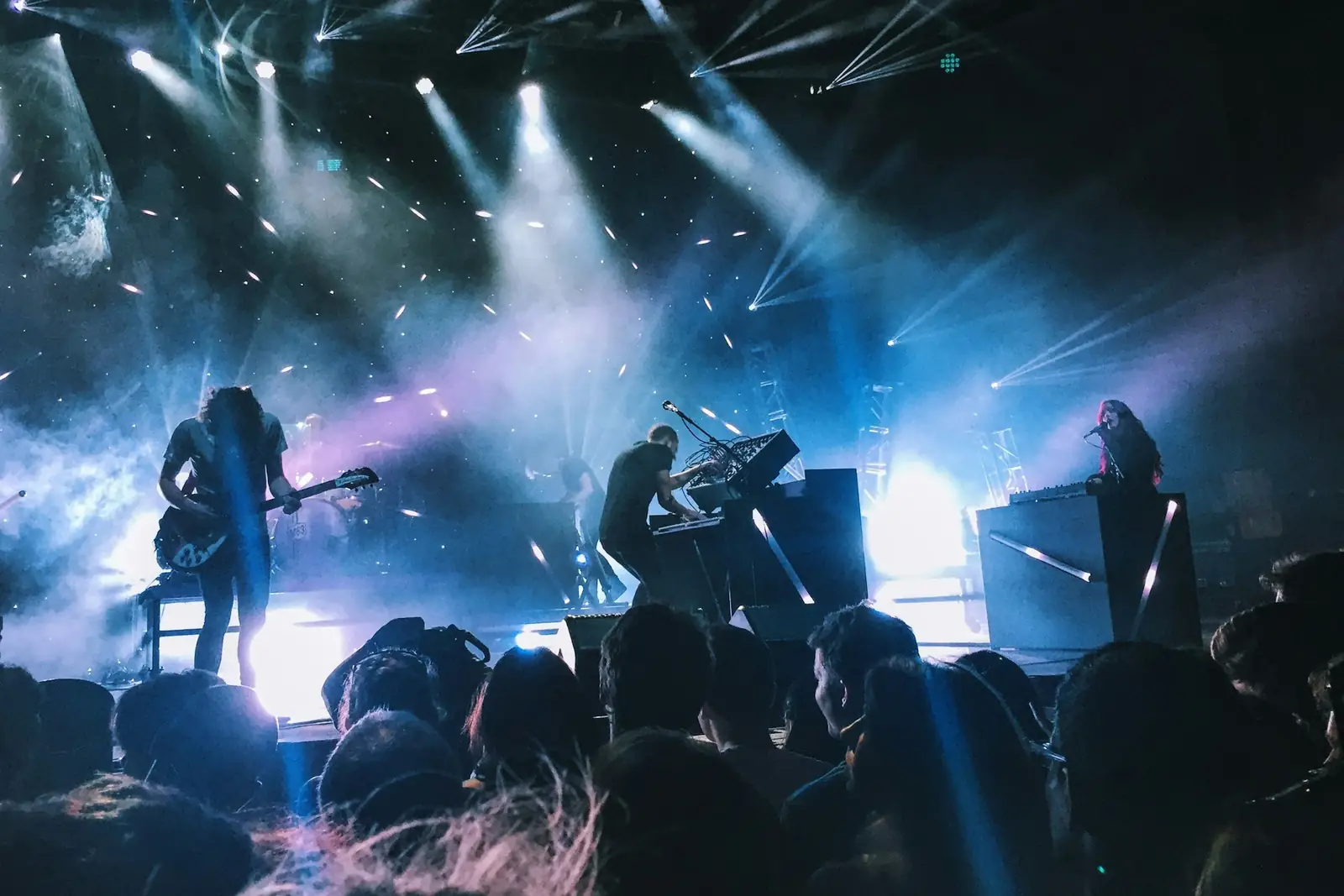
Finding a performer is the easy part. A performance works because of what surrounds it: the stage and sound the artist needs, when they arrive and soundcheck, where they sit in the running order, and whether everyone has the same information. Most problems are coordination problems.
Start with the event, not the artist
Decide what the performance is for before you look at options. A wedding function, a corporate dinner, a product launch and a public concert all want different things.
- Who is the audience, and what do they expect?
- How long should the performance last, and where does it sit in the programme?
- What is the venue like, indoors or outdoors, large or small?
- What tone is right: formal, celebratory, relaxed or high-energy?
- Is the performer the main attraction or part of a wider programme?
Agree the slot and the running order
A performance slot affects everything around it. Agree the start time, set length and any breaks, and where the act sits in the running order. Build in time for changeovers, announcements and the occasional overrun. If several acts appear, confirm who goes before and after, and what each needs on stage.
Technical requirements
Ask for them early
Every artist has needs: microphones, instruments, backing tracks, monitors, lighting preferences and stage space. Ask for these in writing, early, and pass them to the people building the stage and running the sound. Late changes are where things go wrong. The sound, lighting and AV guide explains what the technical side involves.
Soundcheck
Plan a soundcheck window before guests arrive, and make sure the stage, sound and lighting are ready for it. For small performances a short check may be enough. For a larger act it needs more time and the venue must be available.
Logistics on the day
- Arrival: when the artist and their team arrive, where they enter and who meets them.
- Space: a private area to prepare, if the performance needs one.
- Hospitality: what refreshments and facilities are agreed.
- Contact: one named person on each side for the day.
- Payment and terms: agreed and confirmed in writing before the event.
Put it in writing
- Date, venue, start time and set length
- Technical requirements and who provides what
- Arrival, soundcheck and hospitality arrangements
- What happens if the programme changes or runs late
- Fees, payment terms and cancellation terms
- Named contacts for the day
Weddings and private events
Wedding functions add family expectations and long, loosely timed evenings. Agree a realistic slot, confirm how announcements and cues will work, and give one person the authority to make decisions on the day so the artist is not taking instructions from several directions. The wedding event planning guide covers the wider planning.
Common mistakes
- Choosing the artist before defining the event
- Not passing technical requirements to the production team
- No soundcheck window
- Terms agreed verbally and not confirmed
- No single coordinator on the day
Further reading and next steps
The concert and live show planning guide covers the stage and schedule around a performance, and the event production guide explains how the technical build comes together.
NuKoncept Events offers artist management for events and weddings, coordinating requirements, technical needs and the event-day schedule. Artist options are discussed against each brief. To start, contact the team with the event type, the date and the venue.