Corporate Events
Corporate Event Planning: A Practical Guide from Brief to Execution
A step-by-step guide to planning a corporate event in India, from defining the objective and format to rehearsals, event-day coordination and the review afterwards.
By NuKoncept EventsPublished 7 min read
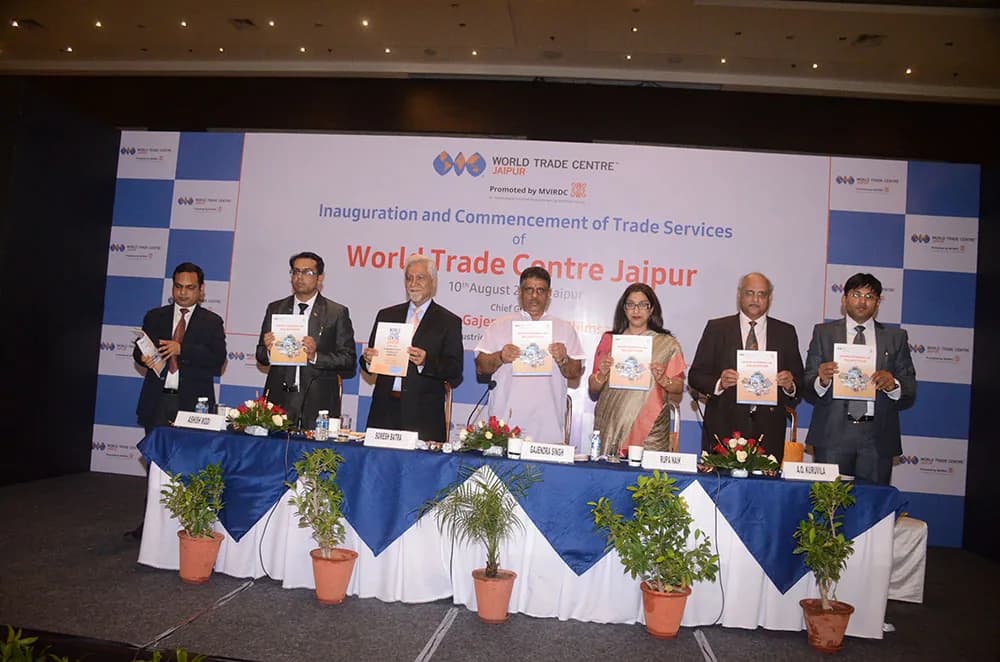
A corporate event is a business decision with a guest list. It might exist to bring a team together, recognise people, share a strategy, meet customers or partners, or launch something. Each of those purposes leads to a different event, and the planning gets much easier once you are clear about which one you are running.
Step 1: Define the objective
Write one or two sentences about what the event must achieve. “Annual company meeting” is a name for an event. “Make sure every regional team leaves understanding next year’s priorities and feeling recognised” is an objective. It gives you a way to decide what belongs in the programme and what does not.
Decide in advance how you will judge success. It does not have to be complicated. It might be attendance, feedback from participants, decisions taken, follow-up actions agreed, or something your leadership will notice. If you cannot say what success looks like, you cannot plan toward it.
Step 2: Know your audience
The audience shapes almost every other decision. Ask who is coming, how many, where from, and what they expect.
- Employees, customers, dealers, partners, investors or a mix?
- Will senior leaders attend, and will they speak?
- Do guests need to travel, and will they stay overnight?
- Are there accessibility needs, dietary requirements or language considerations?
- How much time can they give: an evening, a day, several days?
Step 3: Choose the format
Match the format to the objective, not to what was done last year. A conference suits information and discussion. An awards evening suits recognition. A seminar suits focused learning. An informal gathering suits relationships. For a longer look at formats, see corporate event ideas for companies in India. If you are planning a conference, the conference planning checklist gives a stage-by-stage view.
Step 4: Fix the date and the venue
Choose the date with care. Check for clashes with festivals, school and exam calendars, major sporting or business events, and your own company’s busy periods. Then match the venue to the event, not the other way around.
What to check about a venue
- Capacity for your layout, not only the number in the brochure
- Access, parking and ease of reaching it for guests
- Power supply and backup, air-conditioning and acoustics
- Stage, rigging or ceiling limits, and where equipment can be placed
- Rules about outside vendors, décor, sound levels and timings
- Backstage areas, storage, loading access and rooms for speakers
- A wet-weather or heat plan if any part of the event is outdoors
Visit the venue at the time of day your event will happen if you can. A hall that is comfortable in the morning can feel very different in the evening.
Step 5: Build the agenda and the run of show
The agenda is what attendees see. The run of show is the detailed version that your team works from: who does what, when, and what cue triggers it. Build both.
- Start and end times, with realistic breaks
- Sessions and speakers, with the time each person has
- Changeover time between sessions, which is usually underestimated
- Meals, networking and any entertainment
- A buffer so that one overrun does not push everything back
Keep the programme shorter than your first instinct. People remember events that are well paced more than events that are crowded.
Step 6: Branding and communication
Decide how the event will look and feel, and keep it consistent: the invitation, the signage, the stage, the screens, the badges and the printed material. Check that everything is legible from the back of the room and that your brand guidelines are followed.
Plan how you will communicate with attendees before the event: the invitation, reminders, and clear information on venue, timings, parking, dress code and what to expect.
Step 7: Registration and guest flow
Think about the first fifteen minutes a guest spends at the event. Where do they arrive? Where do they register? How do they find the hall? A queue at the door sets the tone for the day.
- Decide how you will register guests and check them in
- Make sure there are enough desks and people for the expected arrival peak
- Place signage at decision points: entrance, lifts, corridors, hall doors
- Brief the registration team on names, VIPs and special requests
Step 8: Plan the production
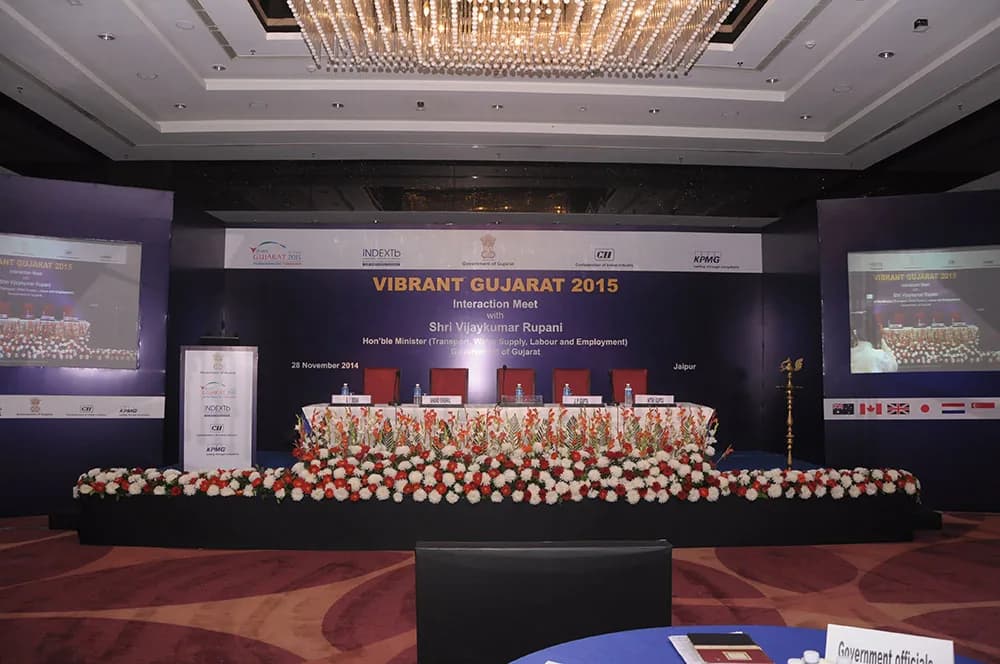
Production covers what the audience sees and hears: the stage, the set, the lighting, the sound, the screens and the people who operate them. It is often the difference between a room that works and one that does not.
- Stage size and layout, and sight lines from every seat
- Sound for speakers, music and any Q&A
- Screens for presentations and video, and a plan for content playback
- Lighting for the stage and for the room
- Backstage arrangements, green room and speaker preparation space
The event production guide explains what the work typically includes, and the article on sound, lighting and AV for events covers what to decide in each area. NuKoncept’s event production and sound, light and AV pages describe how these are planned and delivered.
Step 9: Guest experience and hospitality
- Menu planning that respects dietary needs and has enough service points
- Seating that suits the format, whether theatre, banquet or open
- Enough breaks and a place to sit and talk
- Accessibility for guests with mobility needs
- Clear information on where to go and who to ask for help
Step 10: Logistics
Logistics is everything that moves: people, equipment, materials and food. List each and decide who is responsible.
- Guest transport, parking and accommodation
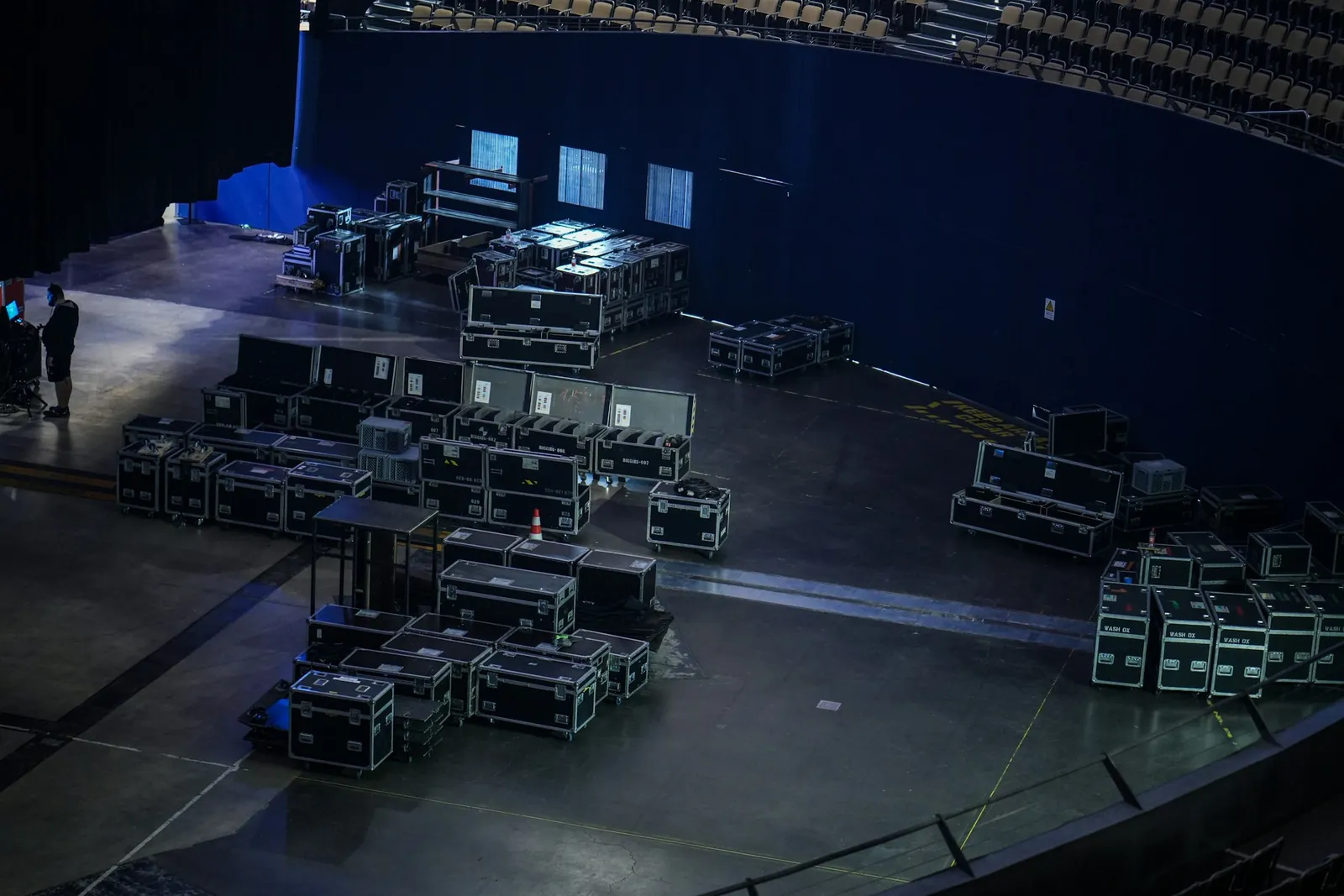
- Vendor access, load-in and load-out times
- Delivery of printed material and branding items
- Permissions that apply to your event and venue
- Waste, clearing and any restoration the venue requires
Step 11: Rehearse
Rehearsal is the stage most often skipped and most often regretted. Even a short run-through finds problems that cannot be seen on paper.
- A technical check of sound, lighting, screens and presentations in the venue
- A run through of the opening, the speaker introductions and any award or presentation sequences
- A walk through the guest journey from arrival to departure
- A briefing for staff, volunteers and vendors with the final run sheet
Step 12: Event-day coordination
On the day, decisions must be made quickly and by the right person. Name one person as the lead, and give everyone a way to reach them. Share the run sheet, key contacts and the backup plan with the whole team. For a practical list of what to check, see the event day management checklist.
Step 13: After the event
- Collect feedback from attendees while it is fresh
- Meet your team and vendors briefly to review what worked and what did not
- Settle vendors and reconcile the budget against actual spend
- Share photos, presentations or summaries with attendees
- Record lessons for next time
Common mistakes in corporate event planning
- Planning the programme before the objective. The event becomes a list of sessions instead of an experience with a purpose.
- Underestimating production. Stage, sound and screens are often arranged last, when changes are hardest.
- Not testing presentations on the actual system. Formats, fonts and video playback can behave differently on another laptop or screen.
- No single decision-maker on the day. Problems wait while people look for someone to approve a solution.
- Ignoring the budget until the end. See the guide to event budget planning.
Working with an event partner
If you work with an event company, a clear brief makes everything faster. Share the objective, the audience, the date and venue (or the options), the guest numbers, the budget range and any non-negotiables. A good partner will ask questions in return. How to choose an event management company in Jaipur and the event planning timeline help you decide who to work with and when to start.
NuKoncept Events plans and produces corporate events in Jaipur and across Rajasthan; the corporate events page describes what is covered. If you would like to talk through a brief, you can contact the team.